
Versatility in Material Selection
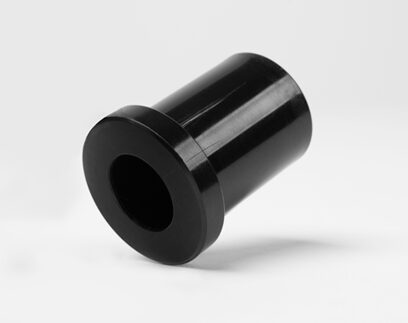
Injection molded plastic offers a wide range of material options, each with unique characteristics tailored to specific applications. Engineers can select from materials like Nylon, Acetal (Delrin), UHMW, and more. This versatility allows for the customization of bushings and bearings to match the requirements of different operating conditions, from extreme temperatures to corrosive environments.
Self-Lubricating Properties
One of the standout advantages of injection molded plastic bushings and bearings is their inherent self-lubricating properties. Many plastic materials have low friction coefficients, which means that they can operate without the need for additional lubrication. This not only simplifies maintenance but also reduces the risk of contamination from external lubricants in sensitive applications, such as food processing or medical equipment.
Corrosion Resistance
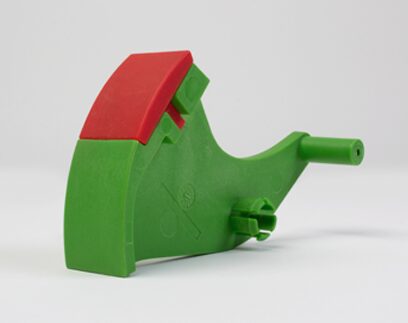
Unlike metal bearings and bushings, which are prone to corrosion, injection molded plastic components are highly resistant to chemical attack and rust. This property is especially beneficial in industries where exposure to aggressive chemicals or moisture is common, such as chemical processing, marine, and agricultural machinery.
Weight Reduction
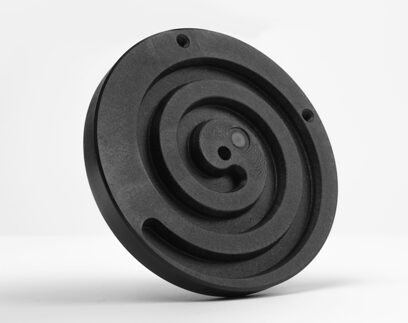
Plastic is inherently lighter than metal, resulting in weight savings when plastic bushings and bearings are used. In industries where weight reduction is essential, such as aerospace and automotive manufacturing, this advantage contributes to improved fuel efficiency and overall performance.
Cost-Effectiveness
Injection molding processes can produce complex shapes with high precision, making it a cost-effective solution for producing plastic bushings and bearings. This mass production capability helps reduce manufacturing costs while maintaining consistent quality. Additionally, the longer lifespan and reduced maintenance requirements of plastic components can further contribute to cost savings over time.
Design Flexibility
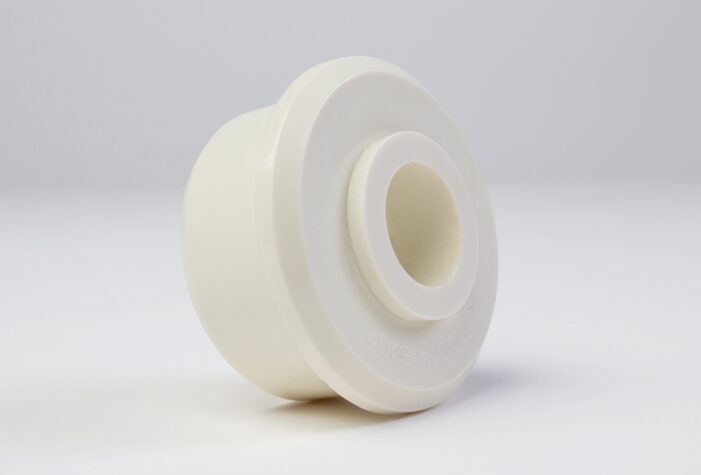
The injection molding process enables intricate designs that would be challenging or expensive to achieve with traditional manufacturing methods. Engineers can incorporate features like flanges, grooves, and integrated lubrication rdirectly into the design of plastic bushings and bearings. This design flexibility allows for optimized performance and integration into various systems. Injection molded plastic bushings and bearings have brought a wave of innovation to industries that rely on precision, efficiency, and durability. With their versatility in material selection, self-lubricating properties, noise reduction capabilities, corrosion resistance, weight reduction advantages, cost-effectiveness, and design flexibility, these components are proving to be a game-changer. As technology continues to evolve, we can expect to see even more sophisticated plastic materials and manufacturing techniques that further enhance the benefits of injection molded plastic bushings and bearings across a wide range of applications.
Bushings & Bearings FAQ
What are injection molded plastic bushings and bearings?
Injection molded plastic bushings and bearings are precision-engineered components designed to reduce friction, support movement, and improve performance within mechanical systems. Injection molding allows these components to be produced with consistent quality and tailored to specific operating requirements.
Why choose plastic bushings and bearings instead of metal?
Injection molded bushings and bearings offer several advantages over traditional metal components, including reduced weight, corrosion resistance, lower maintenance requirements, and quieter operation. They can also provide greater design flexibility and may eliminate the need for external lubrication in certain applications.
What materials are commonly used for injection molded bushings and bearings?
Material selection depends on the performance requirements of the application. Common options include Nylon, Acetal (Delrin), UHMW, and other engineered polymers selected for strength, wear resistance, temperature performance, chemical compatibility, and friction characteristics.
Are injection molded bushings and bearings durable?
Yes. Engineered plastic bushings and bearings are designed to perform reliably in demanding environments and can provide excellent wear resistance and long service life when matched correctly to the application.
Do injection molded bushings and bearings require lubrication?
Many injection molded plastic bushings and bearings offer self-lubricating properties due to their naturally low friction characteristics. In many applications, this reduces or eliminates the need for external lubricants, helping simplify maintenance and reduce operating costs.
Are injection molded bushings and bearings resistant to corrosion?
Yes. Unlike many metal components, plastic bushings and bearings are highly resistant to moisture, rust, and chemical exposure, making them well suited for environments where corrosion is a concern.
In what industries are injection molded bushings and bearings commonly used?
Plastic bushings and bearings are used across a wide range of industries, including automotive, aerospace, industrial equipment, agriculture, marine, medical devices, consumer products, food processing, and chemical processing.
Can injection molded bushings and bearings operate in harsh environments?
Yes. Depending on material selection, plastic bushings and bearings can be engineered to withstand challenging operating conditions including exposure to chemicals, moisture, temperature fluctuations, and contaminants.
Are injection molded bushings and bearings lighter than metal alternatives?
Yes. Plastic components are significantly lighter than many metal options, making them beneficial for applications where reducing overall weight can improve efficiency, handling, or performance.
Can injection molded bushings and bearings be customized?
Absolutely. Injection molding enables a high level of design flexibility, allowing components to be customized in size, geometry, material, and functional features to meet specific performance requirements.
What design features can be integrated into injection molded components?
Injection molding allows for the incorporation of complex features directly into the component design, including flanges, grooves, integrated lubrication channels, retention features, and application-specific geometries.
Are injection molded bushings and bearings cost-effective?
Injection molding supports efficient, repeatable production with excellent consistency, making it a cost-effective manufacturing solution for many applications. Reduced maintenance requirements and long-term durability can also contribute to lower overall lifecycle costs.
Do injection molded bushings and bearings help reduce noise?
Yes. Plastic materials naturally absorb vibration and reduce friction, which can contribute to quieter operation compared to certain metal-on-metal applications.
How do I know which material is right for my application?
The ideal material depends on factors such as load requirements, operating temperatures, environmental exposure, speed, wear expectations, and product lifecycle goals. Selecting the right material ensures optimal performance and long-term reliability.
What makes injection molded bushings and bearings a modern solution?
Injection molded plastic components combine precision manufacturing, material innovation, design flexibility, and long-term performance to deliver reliable solutions for today’s increasingly demanding applications.