Replacing Metal Components With Injection-Molded Plastic in Automotive Manufacturing
For decades, metal dominated automotive manufacturing because of its strength and durability. Steel and aluminum became standard materials for most vehicle components, shaping the way cars were designed and built. More recently, however, injection-molded plastic has begun to replace metal in a growing number of applications. This transition is driven by the need for lighter vehicles, improved manufacturing efficiency, greater design flexibility, and lower production costs.
Injection molding is a manufacturing process that produces consistent, high-precision parts by melting plastic pellets and injecting the material under high pressure into a custom-machined mold, where it rapidly cools and solidifies into the desired final shape.
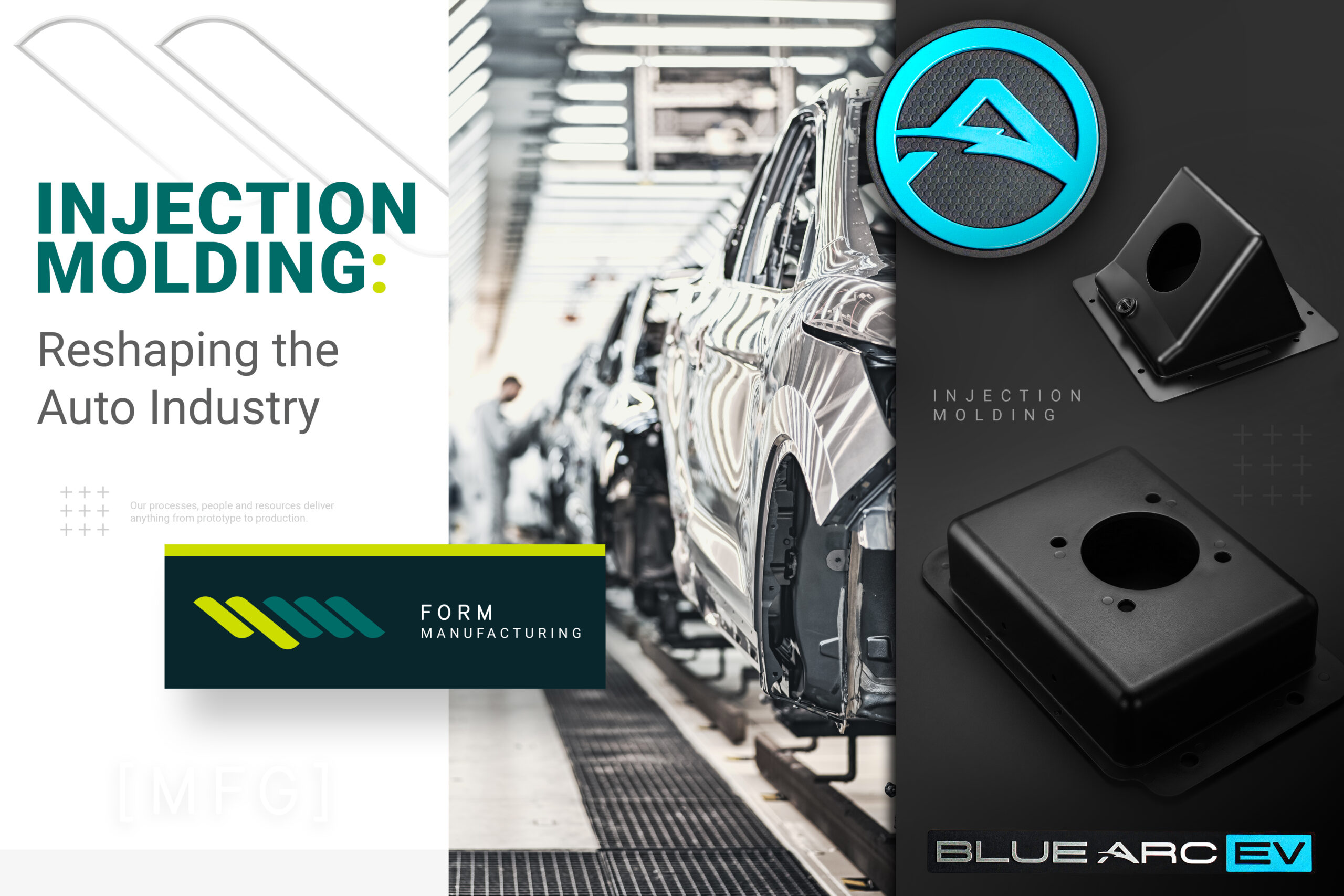
Modern injection molding technologies have transformed plastic from a secondary material into a critical part of automotive engineering. From interior components to exterior premium badges, molded plastic components are now helping manufacturers meet the demands of modern vehicle production.
The Lighter The Better
One of the primary reasons automakers are replacing metal with molded plastic is weight reduction. Lighter vehicles improve fuel economy, reduce emissions, and enhance overall performance. In electric vehicles, lower weight also helps maximize battery range, making lightweight materials even more valuable.
Injection-molded plastic components can often perform the same function as metal parts while weighing significantly less. Estimates range from 50% to 90% (up to 6 times) lighter than their steel and aluminum counterparts, depending on the materials being compared.
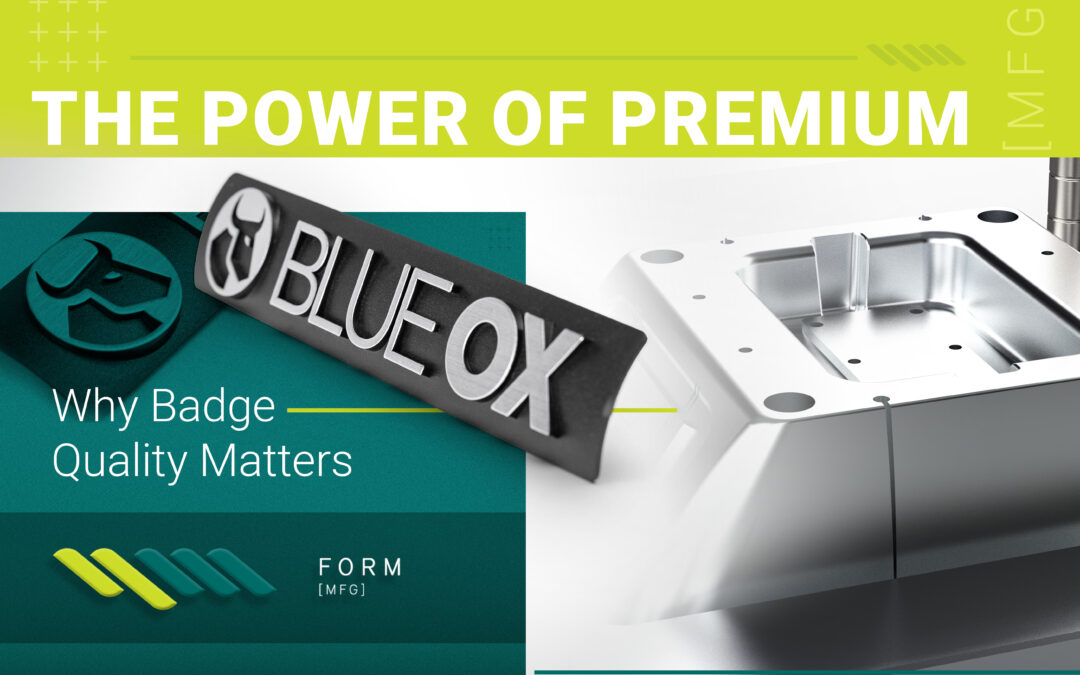
Molded door panels, dashboards, center consoles, and exterior trim pieces all contribute to reducing total vehicle weight. Small reductions become important when multiplied across millions of vehicles produced each year. Even traditional metal badges and emblems, though durable and visually appealing, can add unnecessary weight, especially in EVs. Plastic badges offer a compelling alternative at a fraction of the weight.
Automotive manufacturers are constantly searching for ways to improve efficiency without compromising safety or reliability. Molded plastic parts help achieve that balance by combining strength with reduced mass.
Reduced Complexity
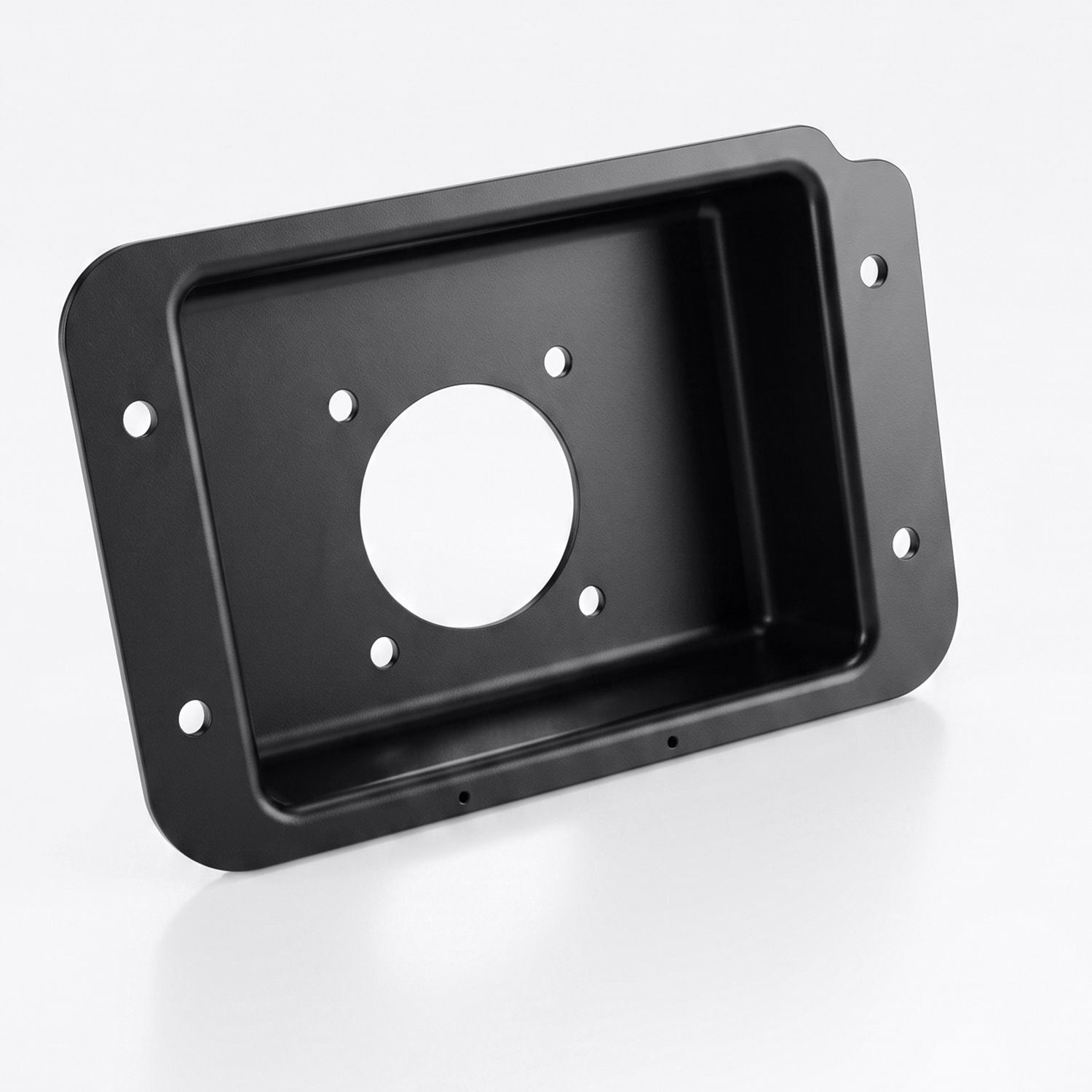
Vehicle parts are particularly well-suited for injection molding because they require precision, durability, and attractive finishes. Traditional metal parts can involve multiple manufacturing stages such as stamping, cutting, welding, and finishing. Injection molding simplifies the process by creating complex parts in a single production cycle.
Molded parts can include integrated clips, mounting points, ribs, and support structures directly within the design. This reduces the need for additional hardware and secondary assembly operations. Manufacturers can consolidate multiple components into a single molded part, lowering labor costs and improving production efficiency.
Plastic molding also allows for much greater design freedom. Automotive styling has become increasingly aerodynamic and visually complex, and injection molding supports shapes that would be difficult or expensive to produce with metal. Textured finishes and intricate contours can all be created with excellent consistency across high-volume production runs.
Improved Durability
Modern engineering plastics are far more durable than earlier automotive plastics. Advanced thermoplastics and reinforced resin materials now provide impressive impact resistance, heat tolerance, and dimensional stability.
Corrosion resistance is another major advantage over metal. Steel components exposed to moisture and road salt often require coatings or protective treatments to prevent rust. Injection-molded plastic naturally resists corrosion, helping improve long-term durability while reducing maintenance concerns.
This makes molded plastic especially valuable for exterior badges, panels, wheel well liners, underbody shields, and other components exposed to harsh environmental conditions. Plastic parts typically maintain their appearance and structural integrity without many of the corrosion problems associated with metal parts.
Greater Efficiency & Savings
Injection molding also offers major advantages in production efficiency. Once molds are developed, manufacturers can produce large quantities of identical parts quickly and consistently. Automated molding systems reduce labor requirements while maintaining tight dimensional tolerances.
Due to the reduced complexity of molded parts, there are often fewer fasteners, welds, and brackets, meaning fewer opportunities for manufacturing defects which can lead to lower overall production costs.
Surface quality has improved significantly with modern molding techniques. Molded parts can feature textured finishes, soft-touch surfaces, or paint-ready exteriors directly from the mold. In many cases, additional finishing operations can be minimized or eliminated entirely.
The Role of Injection Molding in EVs
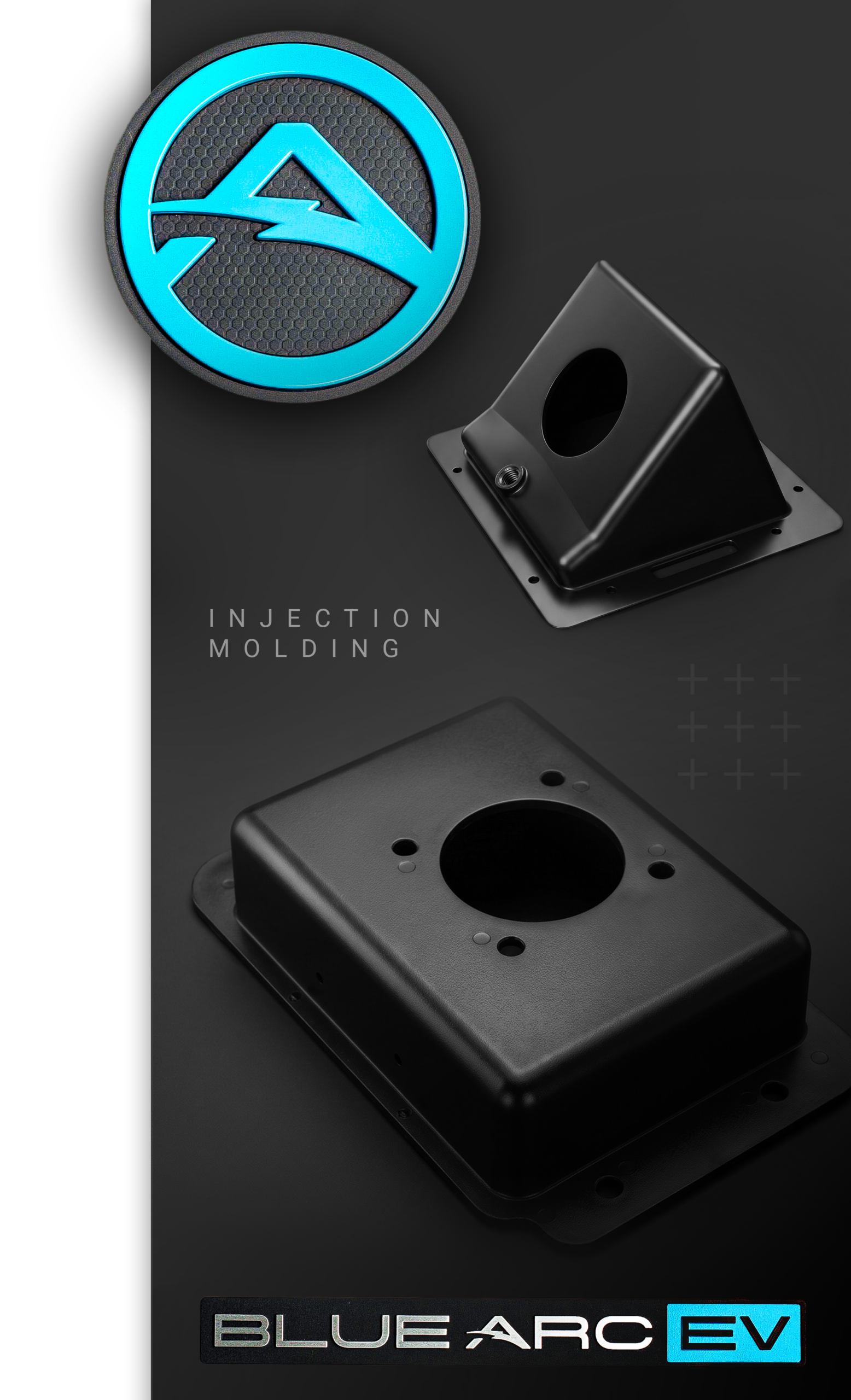
The rise of electric vehicles is accelerating the shift toward injection-molded plastic components. EV manufacturers place enormous emphasis on weight reduction and efficient packaging, both of which align perfectly with molded plastic design.
Injection-molded parts support integrated cooling systems, battery enclosures, and lightweight interior assemblies that help optimize EV performance. As automakers continue redesigning vehicle platforms around electric powertrains, injection molding is becoming even more important to the future of automotive manufacturing.
Sustainability is also influencing material choices. Many manufacturers are now incorporating recycled plastics and bio-based resins into automotive components. Injection molding supports efficient material usage because excess plastic can often be reground and reused during production.
The Future of Molded Automotive Panels
Metal will continue to play a critical factor in high-strength structural applications, but injection-molded plastic is steadily expanding into areas once dominated by steel and aluminum. Advances in material science, tooling, and manufacturing technology continue to improve the performance and appearance of molded plastic components. As automotive manufacturers pursue efficiency, innovation, and sustainability, injection-molded plastic will remain a key part of the industry’s future.
With over 20 years of injection-molding experience, Form Manufacturing is the expert team of designers and engineers you can trust to turn your product vision into reality as accurately, swiftly, and efficiently as possible. Reach out to us today to discuss your next injection-molding project, regardless of size or complexity.